
Psychology of Retail Displays: How to Influence Customer Behavior
May
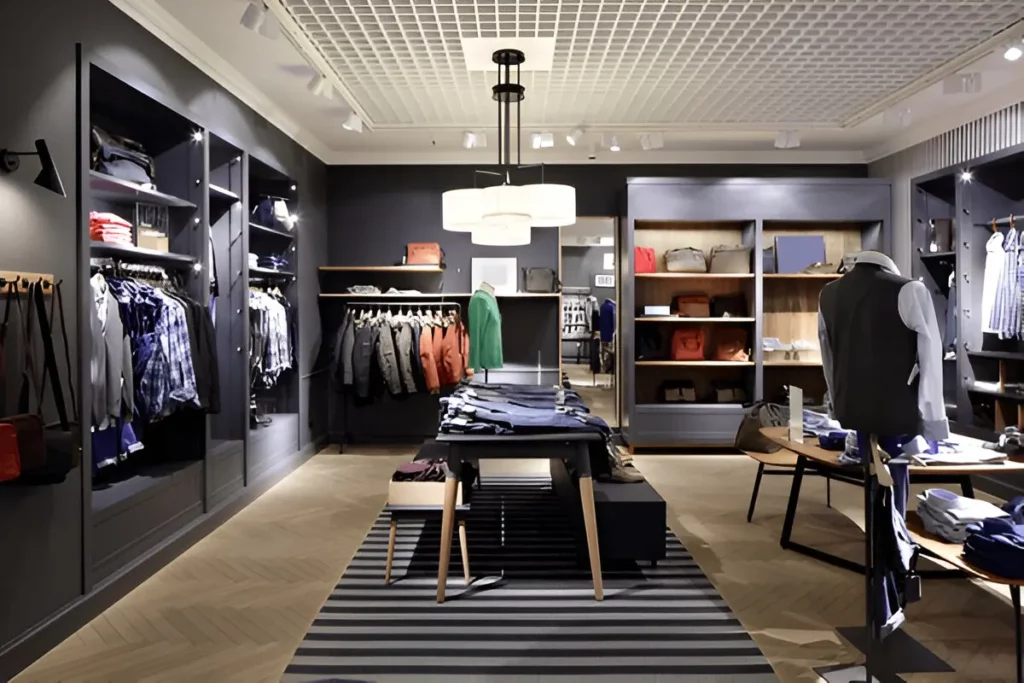
Every time customers step into your store, they make decisions influenced by more than just price tags. From the colours on your walls to how your products are arranged, your retail environment speaks to them—whether you realize it or not. This is where retail display psychology comes into play.
Retail displays are one of the most powerful tools you have to shape customer behaviour in retail. Done right, they can guide shoppers through your space, highlight key products, and boost sales while creating an enjoyable shopping experience. Whether you’re a retail store owner, a merchandiser, or a marketing pro, understanding how visual merchandising strategies work with human psychology is key to setting your store apart.
At Galt Display Rack, we work closely with retailers across Toronto and beyond to help them build smarter, more effective displays that not only look good but also drive results.
The Science Behind Retail Displays

Colour Psychology: Emotions in Action
Colours are more than a design choice—they influence how customers feel and what they buy. Red, for example, creates a sense of urgency and can increase impulse purchases. Blue promotes calm and trust, making it a great option for wellness or tech-focused sections.
Using colour intentionally in your displays taps into the psychology of shopping. When you’re putting together your next display, ask yourself: What kind of feeling do I want to create? Aligning your colour choices with your goals is a simple but effective way to improve retail display optimization.
Visual Hierarchy: Guiding the Shopper’s Eye
Have you ever walked into a store and felt overwhelmed by clutter? That’s what happens when there’s no visual hierarchy. The eye naturally looks for patterns, bold elements, and focal points. With a little planning, you can use this to your advantage.
By placing your bestsellers at eye level and grouping products by theme or use, you help customers move through your space more comfortably. This approach isn’t just about aesthetics—it’s a proven visual merchandising strategy that makes shopping easier and more engaging.
The Rule of Three: Simplicity Sells
There’s something about grouping items in threes that just works. It’s pleasing to the eye and makes decision-making easier for shoppers. Whether you’re creating a window display or setting up a promotional shelf, the “Rule of Three” keeps things clean, balanced, and effective.
Using this technique in your retail display fixtures encourages customers to focus, compare, and commit—all essential steps in the buying journey.
Key Psychological Triggers in Retail Displays
Scarcity and Urgency: Creating the “Now or Never” Moment
Ever notice how “Limited Time Only” signs seem to grab attention? That’s no coincidence. When customers think a product might not be available later, they’re more likely to buy it now. It’s one of the most effective principles in retail display psychology.
Creating urgency doesn’t mean you have to run a sale every week. Sometimes, simply highlighting that quantities are limited or showcasing seasonal items in a prominent display can prompt quicker decision-making.
Social Proof: Let Others Do the Selling
Customers trust what other customers love. That’s why showcasing bestsellers, top-rated products, or staff picks is so effective. It adds credibility and removes some of the guesswork for shoppers.
Including social proof in your displays supports smarter visual merchandising strategies and taps into natural buying behaviour. A sign that reads “Customer Favourite” or “Back in Stock Due to Demand” can do a lot of the selling for you.
Sensory Marketing: More Than Just a Look
We often think about retail displays visually but don’t underestimate the power of the senses. Lighting, texture, and even scent can create an environment that encourages customers to stay longer and engage more.
Soft lighting can create a cozy feeling. Textured materials invite touch. A subtle scent can evoke a memory or mood. When combined with a well-thought-out layout, these elements make your space feel inviting and intentional—key to retail display optimization.
Types of Retail Displays and Their Psychological Impact
Endcap Displays: High Visibility, High Reward
Endcaps are some of the most valuable real estate in a store. Positioned at the end of aisles, they naturally catch the eye of passersby and offer a great opportunity to highlight promotional items or seasonal favourites.
These displays are perfect for applying principles of retail display psychology, especially when paired with clear signage and eye-catching visuals. A well-designed endcap can turn high-traffic areas into high-revenue zones.
Interactive Displays: Make It Personal
Customers love to explore. When they can touch, test, or interact with products, they’re more likely to form a connection and, ultimately, make a purchase. Whether it’s a try-on station, a digital screen, or even a simple product demo, interactive displays add depth to the shopping experience.
These displays also make your store feel modern and customer-focused—qualities that build loyalty and increase satisfaction.
Thematic Displays: Tell a Compelling Story
Storytelling is one of the most powerful tools in marketing, and retail is no exception. Thematic displays use storytelling to create emotional connections. Think “Back to School,” “Holiday Gift Ideas,” or “Summer Must-Haves.” When customers see products arranged in a context they relate to, it becomes easier for them to imagine owning and using those items.
It’s not just about selling products—it’s about selling experiences, and thematic displays do exactly that.
Practical Tips for Optimizing Retail Displays
Keep It Fresh
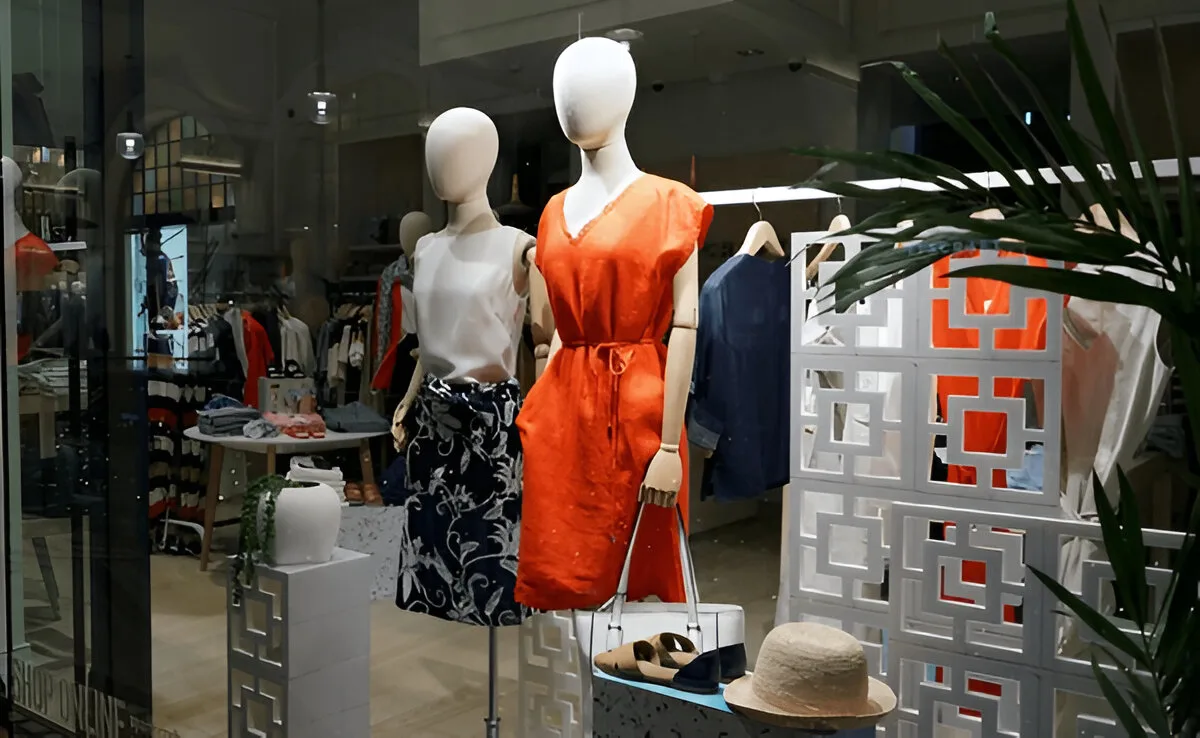
Customers quickly tune out static displays. That’s why rotating your displays regularly is essential. Whether it’s changing product placement, updating signage, or shifting seasonal themes, freshness keeps the experience exciting and encourages return visits.
Strategic Signage Makes a Difference
The right sign in the right place can do wonders. Use signage to call attention to promotions, new arrivals, or limited stock. Keep the messaging clear, direct, and on-brand. Good signage supports your visual merchandising strategies and improves navigation within your space.
Measure, Adjust, Repeat
Optimizing your store is an ongoing process. Use sales data, customer feedback, and observation to assess what’s working. Testing different display arrangements can offer valuable insight into how customer behaviour in retail changes based on layout and presentation. Don’t be afraid to tweak and experiment.
Real-World Examples: Psychology in Action
One major fashion retailer saw a significant sales boost after revamping their displays based on retail display psychology. By grouping outfits together by lifestyle instead of just product category, they made it easier for shoppers to see how items could work together. The result? More add-on sales and higher basket sizes.
Closer to home, a Toronto-based home goods store introduced interactive displays featuring scented candles next to cozy throws and mood lighting. Not only did this improve dwell time, but it also encouraged cross-selling between categories, proving that a well-crafted display taps directly into the psychology of shopping.
Transform Customer Experience with Smarter Retail Displays
Retail success is about more than having great products. It’s about creating an experience that speaks to your customers on multiple levels—visually, emotionally, and even subconsciously. By leveraging retail display psychology, you’re not just setting up a store. You’re building an environment that influences how people feel, shop, and buy.
Start with the right display tools if you’re ready to bring your retail strategy to the next level. At Galt Display Rack, we offer a wide range of high-quality, customizable retail display racks designed to support your unique store layout and marketing goals.
Have questions or want to talk strategy? Reach out using our convenient online form. Our team is here to help you turn your vision into a space that not only looks amazing but drives results.
About the author
